
Tessaract's legal tech insights
Discover legal tech trends, original research and expert advice from the Tessaract team.
Subscribe and get the latest posts straight to your inbox.
Insights in your inbox
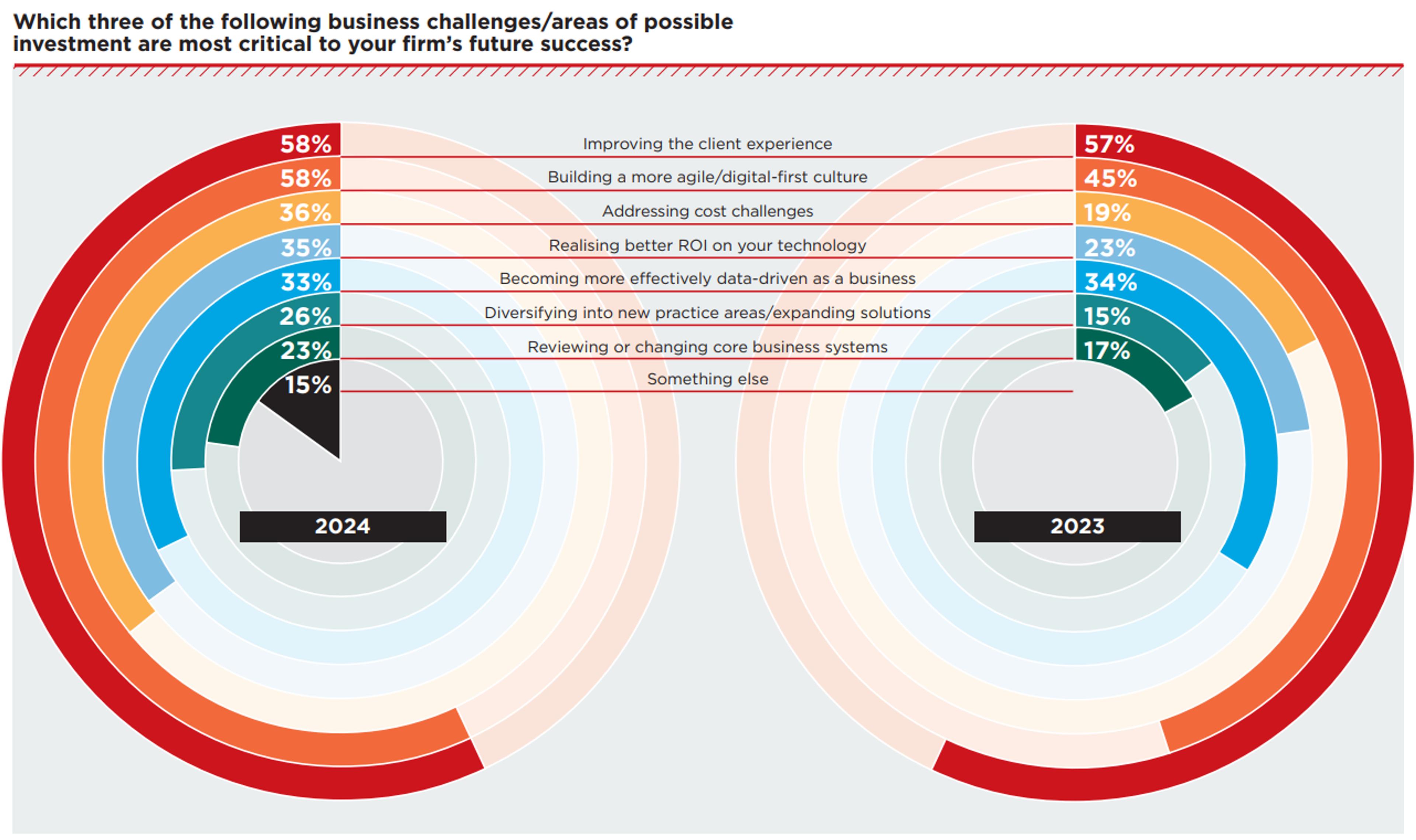
Aligning technology with strategic goals for SME law firms
The LPM Frontiers report offers a fascinating insight into the strategic thinking of mid-market law firms. For a technology provider like Tessaract, it’s a mistake to design a product for customers in the hope that they will like it: it’s essential to understand how modern law firm leaders think about their strategic priorities.


Navigating artificial intelligence: five steps to prepare small and mid-market law firms for success
A lot of Artificial Intelligence (AI) noise is around the big firms, but small and mid-market firms are now also standing at the threshold of an AI-driven transformation. And it’s imperative they proactively consider the potential impacts of AI and strategically position themselves to harness its transformative power.

Lawyers’ best frienemy: Time tracking and billing
Wastage seems like an inevitable problem that any business, including legal services will encounter. No matter how much we emphasise and strive towards productivity, some interruptions and ingrained processes that are likely to be wasting time come up throughout your workday.
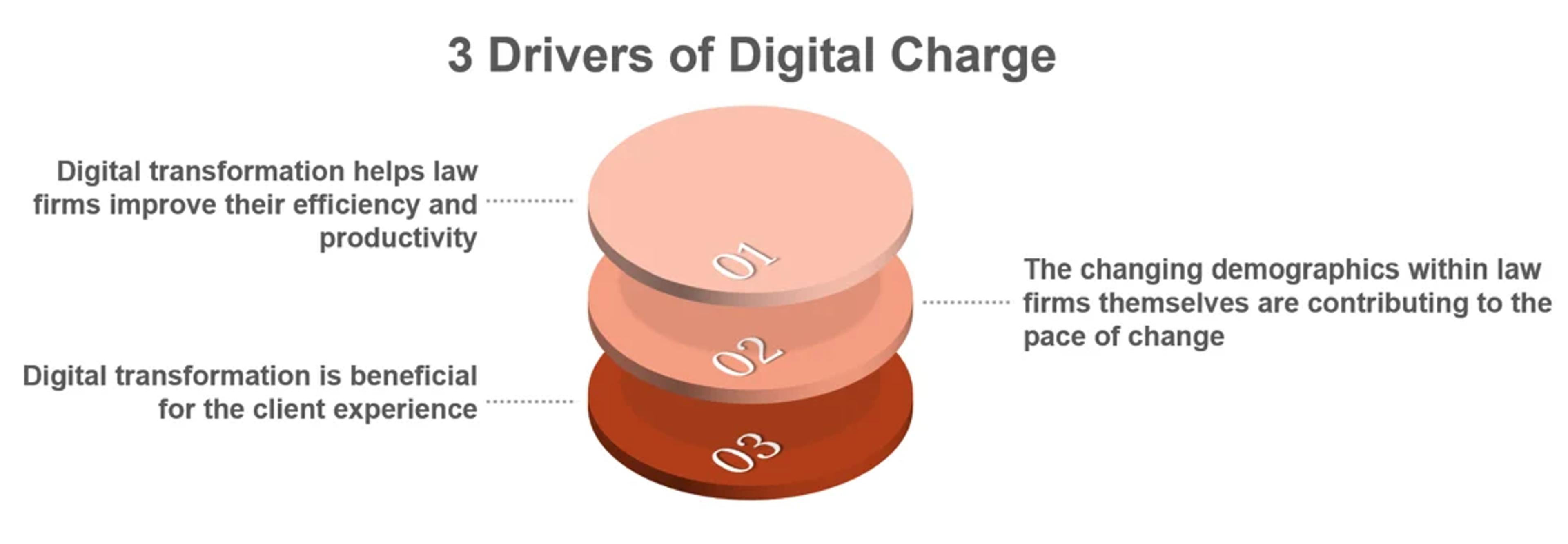
A digital first culture - why now?
Digital transformation has become the buzz-phrase in recent years. Like all service industries, legal is being influenced by advances in technology, changing client expectations, and new competitors - many of whom are non-traditional technology-led disruptors.

Workload management and its key users
Today's business world is demanding to say the least. Organisations are often met with onslaughts of work, short deadlines and high expectations to meet, all creating an environment in which staff are led to feel frustrated, overworked and burnt out. What if there was a better way to tackle these pertinent issues?

Digital disruption made easy - The path to effective modernisation
When you know where to look, you’ll find that digital disruption is all around you – and that’s it’s been responsible for many of the technology industry’s most sensational success stories in the last decade or two.

Resource capacity planning: The modern solution to demand and gap
Businesses worldwide are experiencing an increasingly competitive and dynamic market—a dog-eat-dog world. Resource costs are vital to many companies, which is why it is one of the most expensive overhead costs on their balance sheets. As a result, an organisation must use its resource constraints to achieve maximum value.

The pros & cons of the best workload management tools
Everybody is busier than ever – and the way we work has never looked more different either. As new best practices enter the world of work on an almost daily basis, managing your company’s workload is crucial to staying efficient and on track.

Dive into the future with Cloud Native Applications
Cloud native is a software approach of building, deploying, and managing modern applications in cloud computing environments. In order to meet changing demands of the clients, enterprises need to build applications that are highly scalable, flexible, and resilient. To do so, the use of modern tools and techniques that inherently support application development on cloud infrastructure is essential. These cloud-native technologies support fast and frequent changes to applications with improved security, adaptability and scalability and enhanced client experiences, providing the enterprises with an innovative competitive advantage.